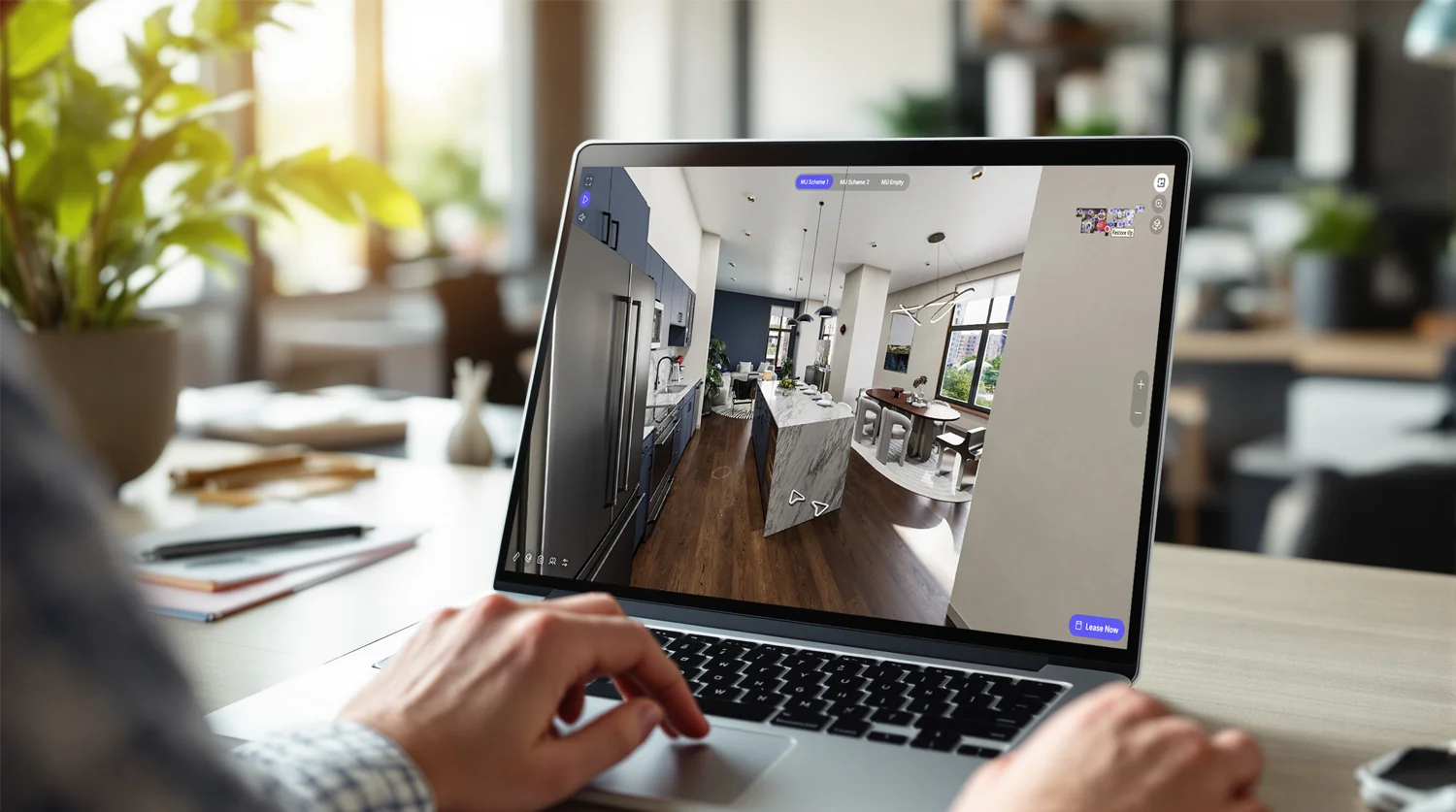




Most lease-ups don't fail because of demand. They fail because the property was never positioned, or experienced, in a way that made people act early. By the time construction wraps, teams are often trying to make up for lost time with:
- Rushed visuals
- Disconnected experiences
- No early demand pipeline
At that point, you're not building momentum, you're chasing it. The projects that lease faster take a different approach.
"The projects that lease faster treat marketing as part of the development process, not something layered on at the end."
Marketing Should Start Before the Building Exists
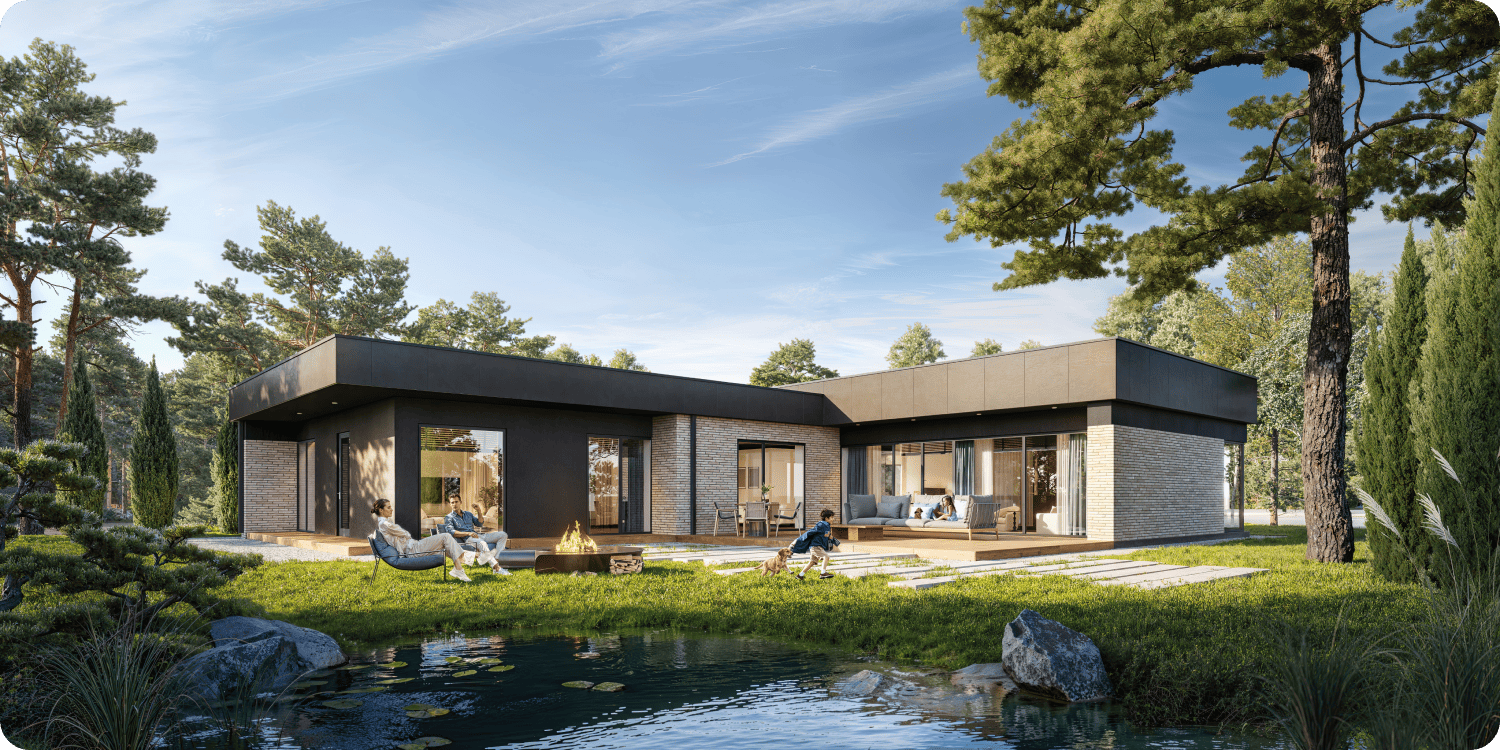
The highest-performing developments don't wait for completion to begin marketing. They start when the project is still on paper. As soon as layouts, finishes, and design direction are defined, you have everything needed to begin building visual assets, digital experiences, and early demand. This isn't about "getting ahead." It's about not falling behind. When marketing starts early, you create a pipeline before delivery, brand familiarity before leasing, and a shorter path to stabilization.
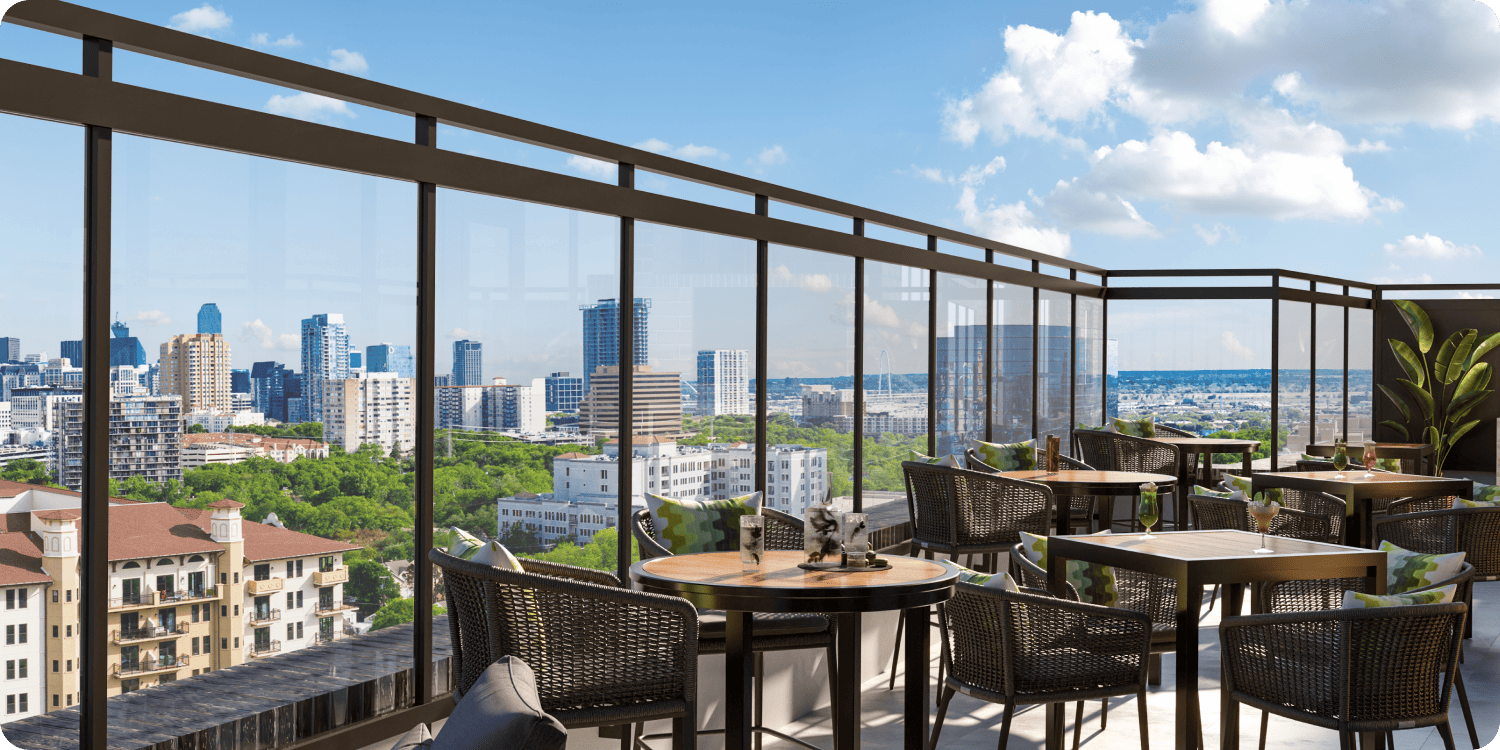
Static Renderings Don't Convert - Experiences Do
For years, real estate marketing has relied on static images. A few hero renderings. A site plan. Maybe a fly-through. That used to be enough, but it's not anymore. Today's renter or buyer expects to explore units, understand layouts, compare options, and feel confident before ever reaching out.
That shift is why interactive tours and unit-level experiences are becoming the standard. Not because they look better, but because they remove friction from decision making. The less someone has to imagine, the faster they move.
Fragmented Marketing Slows Everything Down
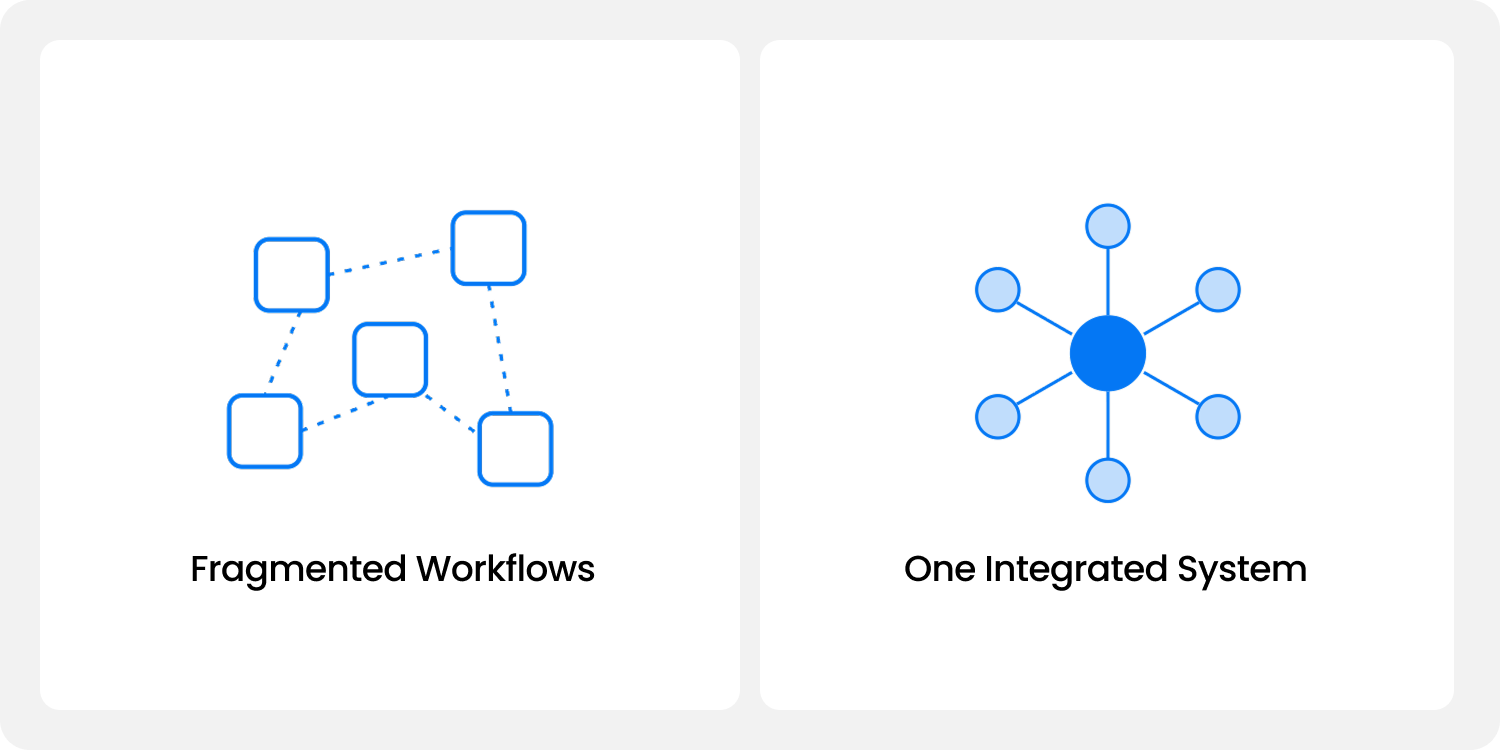
One of the biggest inefficiencies in development marketing is how it's built.
Different vendors for:
- Renderings
- Tours
- Photography
- Leasing tools
Each with their own process, timeline, and interpretation of the brand. The result is predictable: misalignment, delays, inconsistent output, and internal teams doing more coordination than strategy.
The projects that move faster simplify this. They build on everything from one system, one source of truth - where visuals, tours, and leasing tools are designed to work together from the start.
Your Website Should Lease Units, Not Just Look Good
Most property websites are built to present. Very few are built to convert. There's a difference.
A high-performing site should answer questions immediately, allow users to explore without friction, and guide them toward action without forcing it.
That means embedded tours, clear availability, intuitive navigation, and mobile-first design.
It's not about aesthetics - it's about reducing every possible reason someone might leave without contacting you.
Content Is What Builds Demand Before You Need It
Waiting until launch to start talking about a project is one of the most common, costly mistakes. Demand doesn't appear overnight; it builds over time.
Developments that lease quickly are visible long before they're ready - through search-driven content, consistent social presence, and ongoing engagement with prospective tenants.
If You Can't Track It, You Can't Scale It
Most teams have a general sense of what's working. Very few can point to it with certainty. As marketing expands — paid media, events, partnerships — that lack of visibility becomes expensive. You need to know what drove the lead, what converted, and what generated revenue. Without that, every decision is a guess. With it, you can double down on what works, eliminate what doesn't, and scale with confidence.
The Real Shift: From Assets to Systems
This isn't about better renderings, or better tours. Or even better campaigns. It's about building a system where everything is connected, everything is measurable, and everything is designed to convert. The developers who adopt this approach don't just lease faster. They operate differently. Each project becomes easier to launch, easier to market, and easier to scale. If you're planning a new development, or trying to improve performance on one that's already underway, the question isn't whether you need better marketing. It's whether your current approach is built to support how people make decisions today. Because the difference between a slow lease-up and a fast one is rarely the market. It's the system behind it.
.jpg)