


At the latest national median asking rent for newly completed apartments, 30 units leased one month earlier represent $55,800 in additional gross rent. Fifty units represent $93,000.
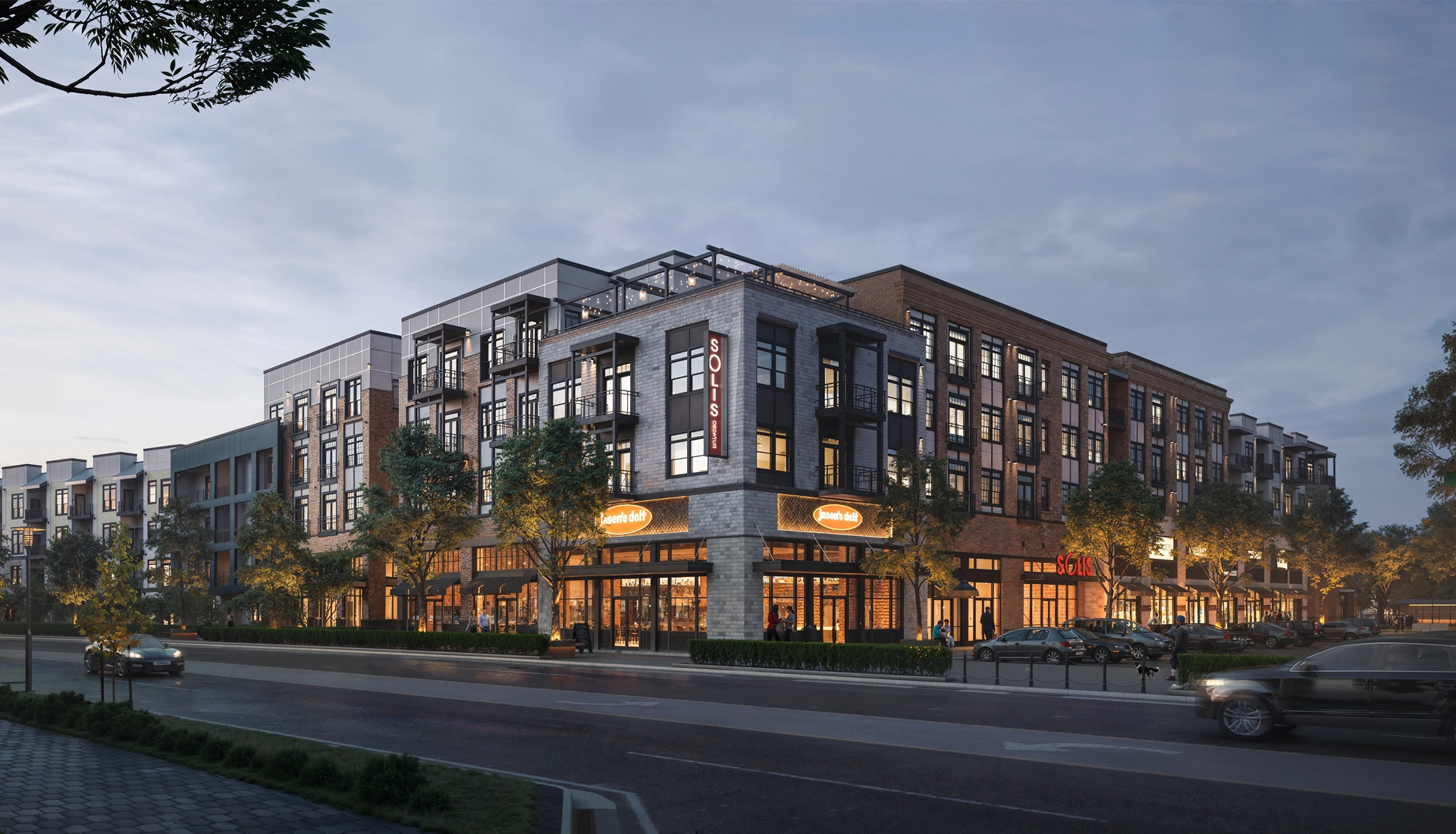
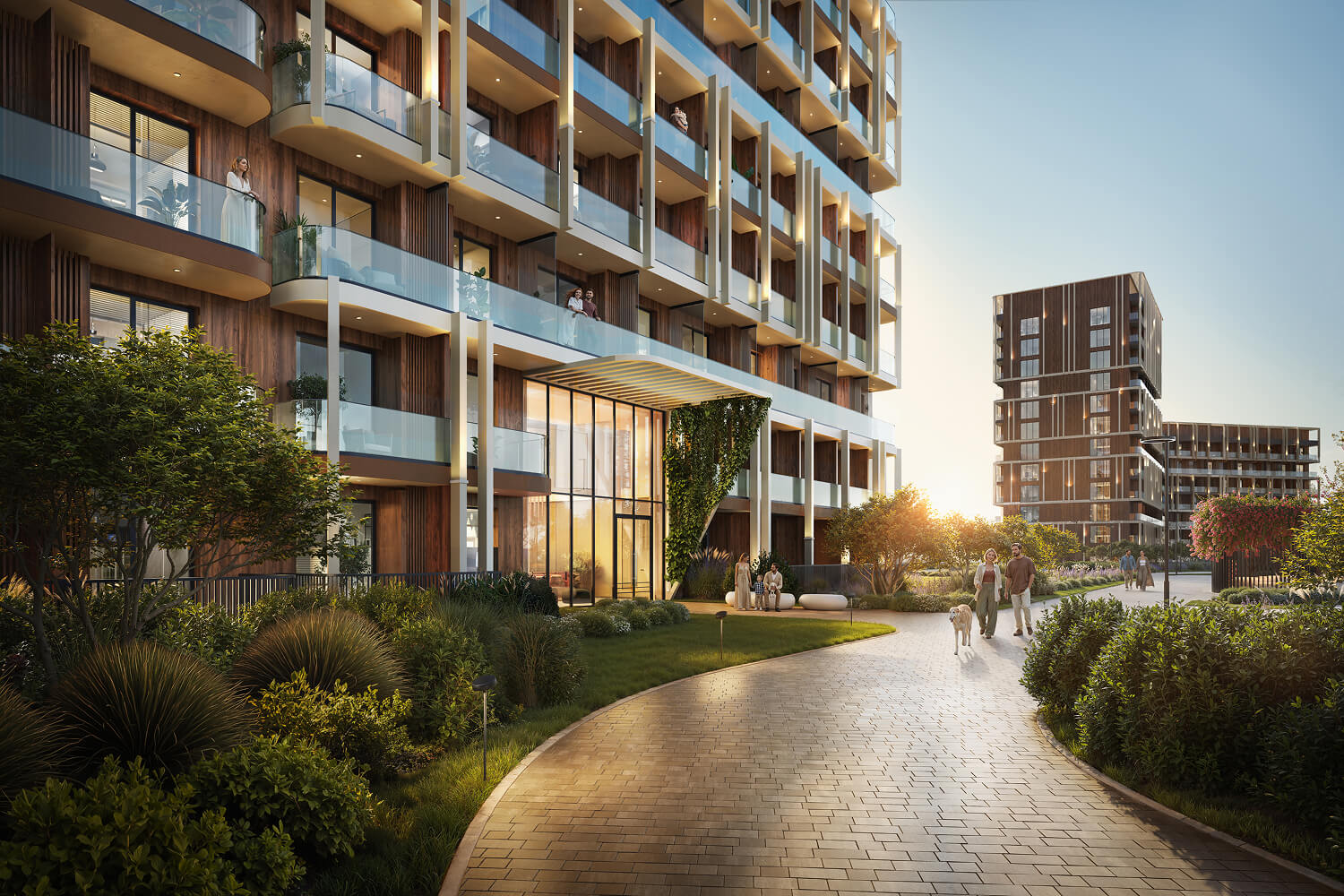
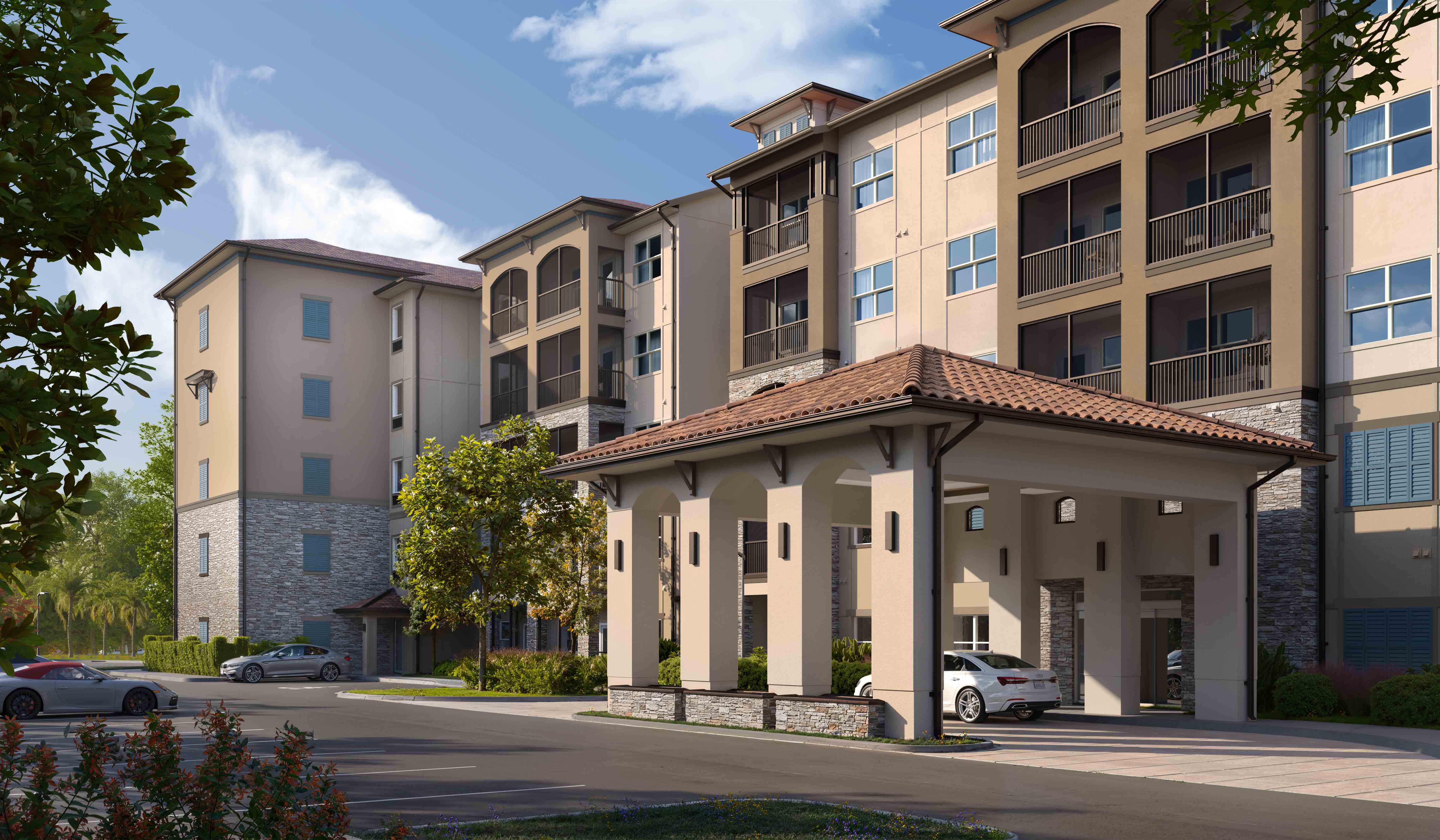
That is the basic financial case for real estate visualization during lease-up. Renderings, floor plans, site maps, and rendered tours give prospects something concrete to evaluate before finished photography or physical tours are available. They do not need to receive credit for every lease. They need to help enough renters understand the property and act earlier to justify the budget.
The public research cannot tell us exactly how many leases a rendering creates. It can tell us what renters expect, how many make decisions remotely, and how much earlier occupancy can be worth. Here is the evidence without inflated conversion claims.
Renters Need to See the Product Before They Can Choose It
Most renters begin by ruling properties out online. If the information they need is missing, the leasing team may never get the opportunity to overcome that gap.
Zillow's 2025 Consumer Housing Trends Report drew from six nationally representative surveys covering more than 24,400 unique renters, including more than 5,700 recent renters. Zillow found that:
- 79% of recent renters considered at least one digital feature essential when deciding what to rent.
- 50% considered pictures essential.
- 40% considered seeing a floor plan essential.
- 27% considered a 3D or virtual tour of the rental home essential.
- 22% took no in-person tour during their search.
The last number matters for lease-up. More than one in five recent renters completed the process without touring in person. For a property still under construction, that behavior is not an edge case. It is part of the available market.
A separate Apartments.com survey published in February 2026 covered more than 15,000 U.S. adults planning to rent. Among those respondents:
- 77% wanted photos of the specific unit.
- 67% wanted a floor plan for the specific unit.
- 35% wanted a unit-specific 3D tour.
- 40% said they were likely to rent sight unseen.
- 50% said a listing without photos of the specific unit was a deal-breaker.
Apartments.com operates a rental marketplace, so it has a commercial interest in rich listing content. Its data should be read as a large platform survey, not independent academic research. It is still useful because the questions deal directly with how renters search and what information they want.
The Simple Takeaway
Renters are not asking only for attractive marketing. They are asking for enough information to decide whether a specific apartment works for them.
For an existing property, photography can answer many of those questions. For a new development, visualization often has to do that work before the building can.
Do Virtual Tours Increase Leases?
The most honest answer is: they can support leasing, but no public study gives every property a reliable universal conversion lift.
The renter data is clear that photos, floor plans, and tours help prospects evaluate apartments. It is also clear that a meaningful share of renters will consider leasing without an in-person visit.
What the data does not prove is that adding a virtual tour will automatically increase leases by a fixed percentage. Lease-up performance also depends on:
- Rent and concessions
- Location and competing supply
- Unit mix and product-market fit
- Reputation and reviews
- Leasing-team follow-up
- Construction and delivery timing
Visualization cannot repair an incorrectly priced property or a weak leasing operation. Its job is more specific: make the unbuilt or unavailable product understandable enough for a qualified renter to keep moving.
A Better Way to Think About ROI
Do not ask visualization to prove that it caused every lease.
Ask whether it can reasonably help enough prospects choose sooner, reduce uncertainty, or enter the leasing pipeline before opening. Then compare that impact with the actual visual-production budget.
That is a much lower and more defensible hurdle.
The Vacancy Math
The financial model needs only three inputs: number of units, average monthly rent, and the number of leases that could start earlier.
The U.S. Census Bureau's Survey of Market Absorption of New Multifamily Units tracks newly completed apartments. A March 2026 analysis by the National Association of Home Builders reported that the median asking rent for apartments completed in the second quarter of 2025 was $1,860 per month.
The same Census data covered 93,680 newly completed apartments. Only 47% were absorbed within three months. In this context, absorbed simply means rented or otherwise taken off the available market. The share increased to 70% after six months, 85% after nine months, and 91% after 12 months.
In plain English: most new apartments were not rented immediately, and almost one in ten remained available after a year. Even small improvements in the leasing timeline can therefore carry real value.
Step 1: Understand the Property's Monthly Scale
For a 300-unit property: 300 units x $1,860 monthly rent = $558,000 in gross potential rent per month
Gross potential rent means the amount the property could collect if every unit paid the full asking rent for the month. It is not the same as actual revenue or NOI. It does not account for concessions, vacancy, bad debt, employee units, or operating expenses.
The property's actual rent roll should replace the national benchmark. The benchmark simply gives us a reasonable example.
Step 2: Count Only the Leases That Move Earlier
Step 3: Compare That Number With the Actual Proposal
Use the real visual-package price from the proposal. One published market average would not fit every property's unit mix, asset list, or production requirements.
That does not mean the visuals alone must produce 14 brand-new renters. They could also help existing prospects sign sooner, allow the property to start pre-leasing earlier, or keep qualified remote renters from dropping out because they cannot see the product.
The Simple Takeaway
For a 300-unit development at the national new-apartment rent benchmark:
- Moving 10 leases forward by one month is worth $18,600 in gross rent.
- Moving 30 leases forward is worth $55,800.
- Moving 50 leases forward is worth $93,000.
Take the proposed visual budget, divide it by the property's average monthly rent, and you have the number of earlier occupied months required to break even on gross rent.
That is the core lease-up marketing ROI calculation.
Financing Costs May Increase the Value, but Keep Them Separate
A slower lease-up can also extend construction-loan interest, extension fees, or the time before a property can refinance. Those costs may be much larger than the visual budget.
But they should not automatically be credited to visualization.
The basic monthly interest calculation is:
Outstanding loan balance x annual interest rate / 12
Use financing savings in the ROI case only when faster leasing would change a real milestone, such as a refinance, loan paydown, covenant test, or extension. Otherwise, keep the argument focused on rent that could begin earlier.
This distinction makes the case more credible. Revenue timing is easy to understand. Financing benefits should be added only when the deal documents support them.
Visualization Creates More Value Before the Building Opens
The Census absorption clock begins when construction is complete. Marketing does not have to.
The latest national data shows that only 47% of newly completed apartments were absorbed within three months. A property that waits until opening for finished photography starts that period with little or no visual history, paid-media learning, prospect pipeline, or pre-leasing momentum.
A property with approved visual assets can begin earlier. The team can launch:
- The property website
- ILS listings
- Unit and amenity pages
- Paid search and social campaigns
- Leasing-center displays
- Email follow-up
- Signage and outreach materials
That is the pre-leasing multiplier. The assets are not valuable only because they make a listing look better. They allow the listing, campaigns, and leasing conversations to exist months before photography is possible.
There is no credible national dataset showing exactly how much faster conventional multifamily projects lease when marketing begins before CO. Public examples demonstrate that substantial pre-leasing is possible, but they do not isolate the role of visualization.
For example, the Cincinnati Business Courier reported in August 2025 that the newly opened 128-unit Kenilworth II at Factory 52 was 65% pre-leased. That is one project, not a national benchmark, and the report does not attribute the result to any one marketing tactic.
The broader point is operational: marketing cannot build demand for a product it cannot show. Visualization lets that work begin before delivery.
What the Data Does Not Say
There is no rigorous public 2024-2026 controlled study showing that better preconstruction renderings alone reduce a multifamily property's time to stabilization by a fixed number of days.
Renter surveys measure what people say they want. They do not prove which asset caused a signed lease. Platform surveys can also reflect the commercial interests of the company conducting them.
That limitation does not erase the business case. It changes how the case should be made.
Do not promise:
"These renderings will make the property lease 20% faster."
Instead:
"Current renter research shows that prospects rely on unit-specific visuals and that many will rent without visiting. At our rents, the visual package needs to help move only this many occupied months forward to cover its cost."
The Three Numbers to Bring to Ownership
1. The property's average monthly rent
"We will use our actual rent roll, not a national average, for the final calculation."
2. The value of 10, 30, and 50 earlier leases
"At $1,860 per month, those scenarios equal $18,600, $55,800, and $93,000 in gross rent."
3. The proposal's break-even number
"We divide the visual budget by average monthly rent to calculate how many apartments need to start one month earlier for the package to cover its cost."
The one-sentence budget argument is:
"We are not assuming visualization causes the entire lease-up; we are asking whether it can help enough renters act earlier to clear a specific, measurable break-even point."
That is the ROI of real estate visualization in terms an ownership group can evaluate.
The Case Is Earlier Clarity, Not Magical Attribution
Renters want to see the specific homes they are considering. Some will lease without visiting. New developments cannot meet that demand with finished photography months before delivery.
Visualization fills that gap. It gives the leasing team a product to market, gives prospects enough information to evaluate it, and allows demand-building to begin before opening.
The final ROI calculation should use the property's rents, proposed visual budget, and realistic leasing scenarios. No universal conversion claim is required.
Talk with The View Pro about the visual assets your leasing team needs from preconstruction launch through stabilization.