


In today’s development landscape, real estate visualization is no longer a supporting asset, it is a core driver of leasing performance. For multifamily developers, the ability to present a property clearly, consistently, and compellingly before and after construction directly impacts absorption rates, marketing efficiency, and overall project success. Yet most development teams still approach visualization as a one-time deliverable, rather than a system that supports the entire project lifecycle. This is where opportunities are lost.
What is Real Estate Visualization in Multifamily Marketing?
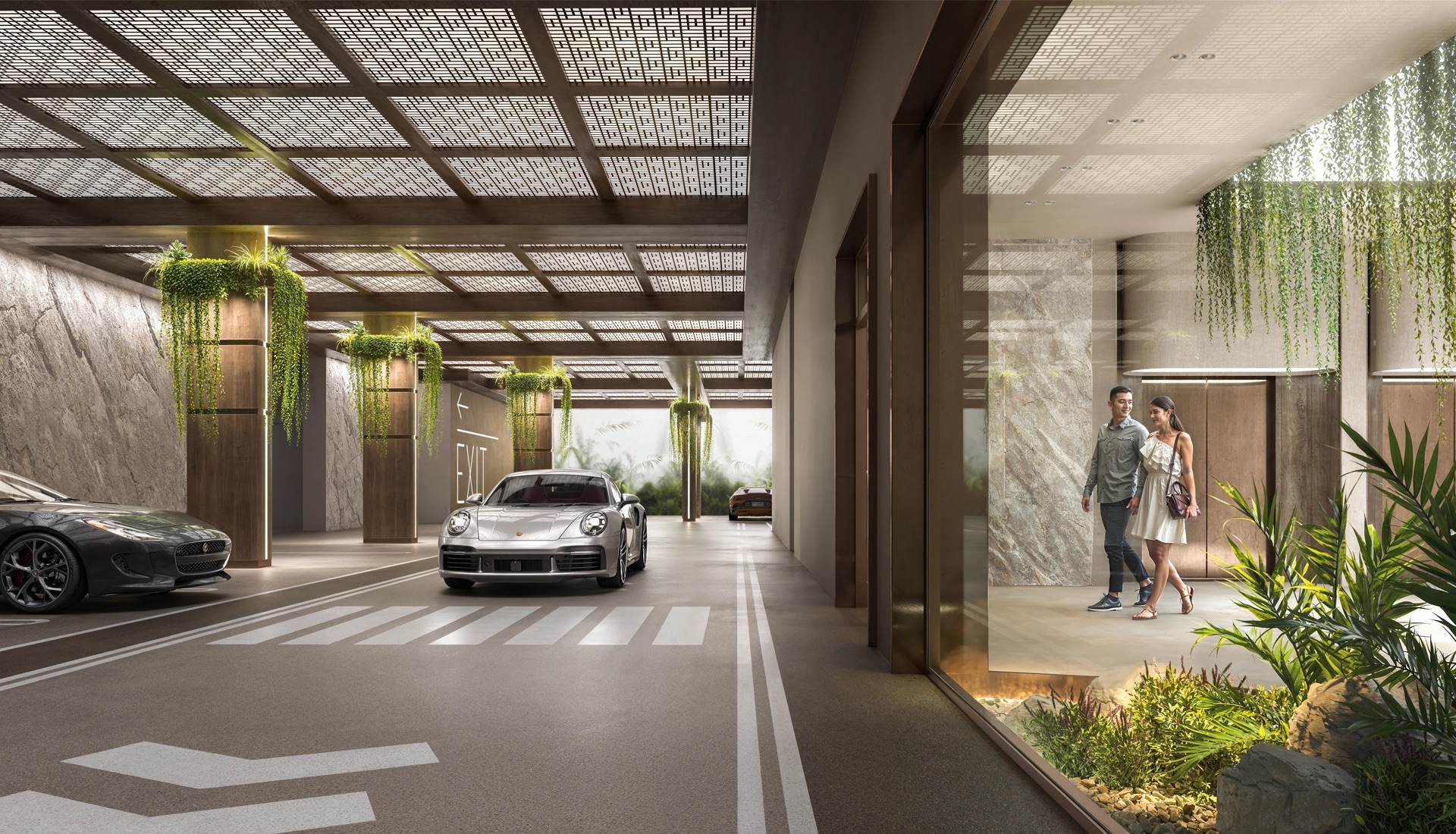
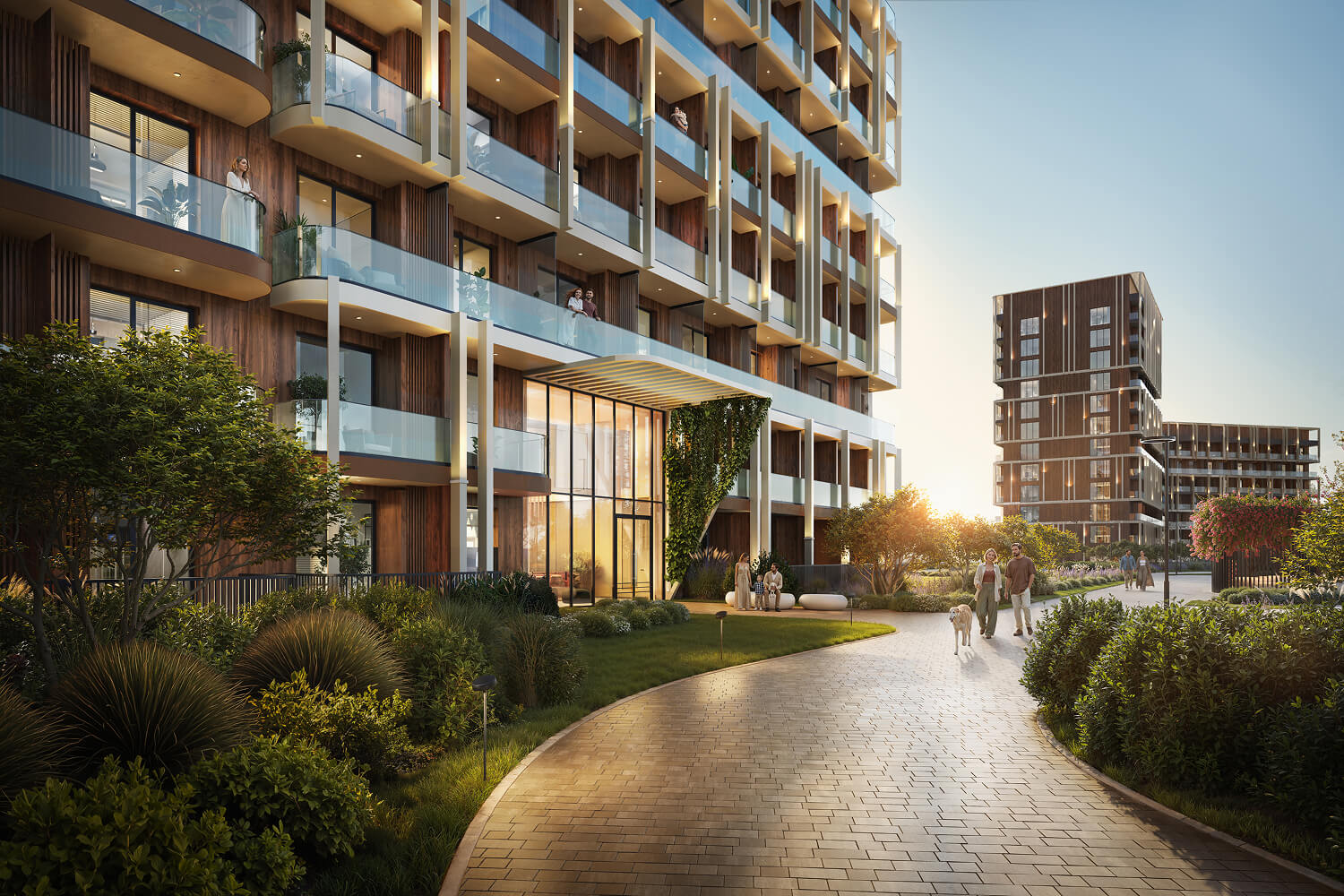
Real estate visualization refers to the collection of visual tools used to represent a property before and after it is built. This includes 3D architectural renderings, virtual tours, animation, photography, and marketing visuals used across leasing and sales channels.
For multifamily developments, these assets serve a critical purpose: they allow prospective residents to understand a space long before they can physically experience it.
High-quality real estate visualization bridges the gap between concept and reality. It gives leasing teams the ability to market units, amenities, and lifestyle from day one, rather than waiting for completion.
.png)
Why Real Estate Visualization Drives Lease-Up Performance
Lease-up success is largely dependent on one factor: how quickly and clearly a prospective resident can understand what they are renting. Visualization accelerates this process.
When executed correctly, it:
- Reduces uncertainty for prospective renters
- Increases engagement across digital channels
- Shortens decision-making timelines
- Supports pre-leasing efforts before delivery
Developments that invest in strong visualization strategies often see faster absorption and more efficient marketing spend because they avoid starting from zero when construction is complete. Instead, they are building demand early.
Pre-Construction Visualization: Creating Demand Before Delivery
Pre-construction visualization typically includes 3D renderings, floor plans, and virtual tours that represent the future property.
These assets are used across:
- Property websites
- Paid media campaigns
- Leasing presentation
- Investor materials
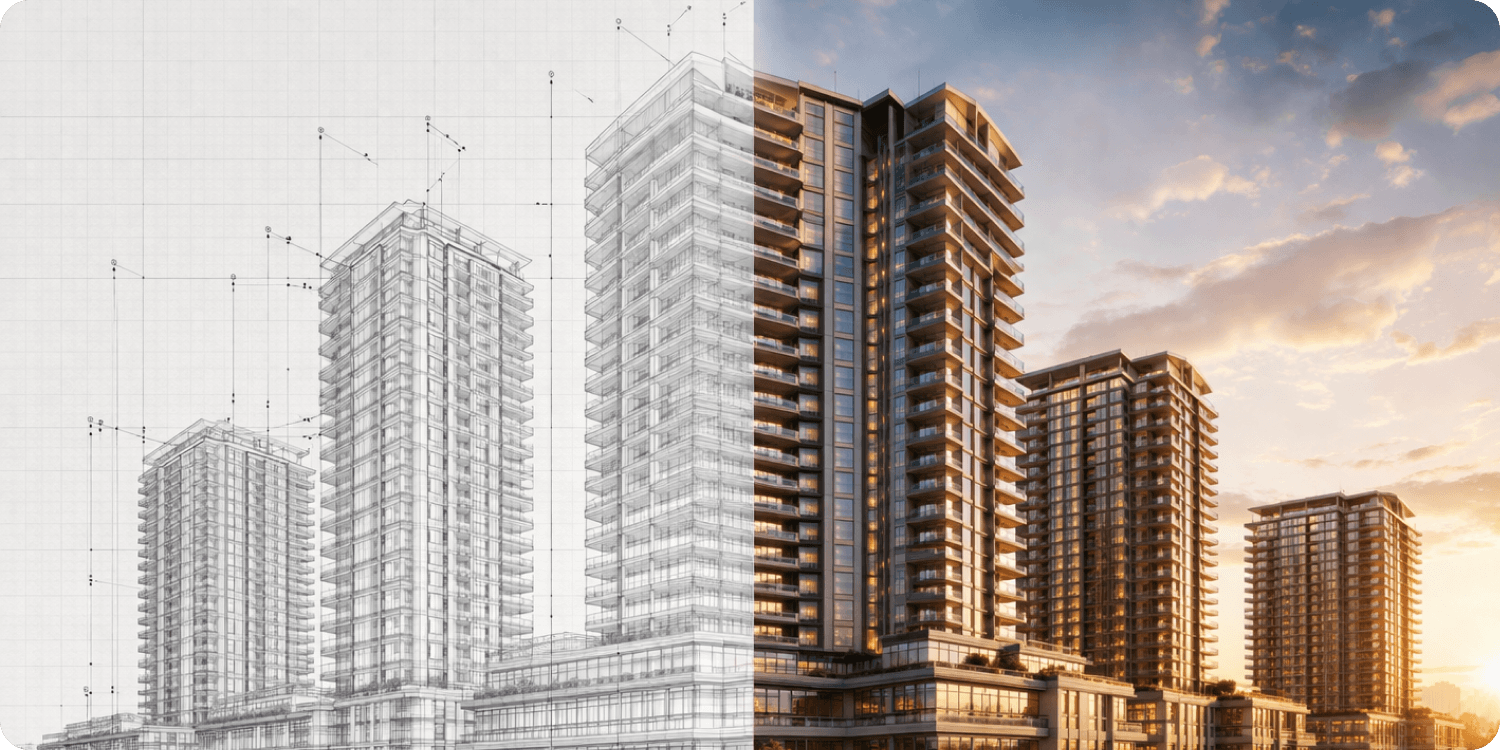
The goal at this stage is clarity. Prospective residents need to understand layout, finishes, amenities, and overall positioning without ever stepping on site. However, many developers treat these assets as static. Once the building is complete, the visual experience often changes entirely. This creates a disconnect.
The Post-Construction Gap Most Teams Overlook
After completion, marketing shifts to photography, video, and in-person tours. While this is necessary, it often introduces inconsistency.The experience prospects saw during pre-leasing no longer aligns with what they see after delivery.
This gap can:
- Reduce trust
- Create confusion
- Slow conversions during lease-up
It is one of the most common and least discussed inefficiencies in multifamily marketing.
Full Lifecycle Visualization: A More Effective Approach
The most effective developers treat visualization as a continuous system, not a phase.
This means maintaining consistency from:
- Pre-construction renderings
- To virtual tours
- To final photography and marketing assets
When the same visual strategy carries through the entire lifecycle of a project, prospects experience a seamless transition from first impression to final decision.
This approach:
- Reinforces credibility
- Improves conversion rates
- Creates a more cohesive brand experience
.png)
The Advantage of Vertical Integration in Visualization and Marketing
One of the biggest challenges in real estate marketing is fragmentation. Renderings are created by one partner, photography by another, and marketing materials by a third.
This often leads to:
- Inconsistent visual language across channels
- Delays in asset delivery
- Misalignment across channels
Working with a single partner that handles renderings, virtual tours, capture, and marketing creates a more efficient and cohesive system.
.png)
Vertical integration allows for:
- Consistent visual storytelling
- Faster turnaround times
- Better alignment between marketing and leasing
For developers, this translates directly into better performance
Choosing the Right Real Estate Visualization Partner
Not all visualization providers are built to support multifamily lease-ups at scale.
When evaluating a partner, developers should consider:
- Experience with multifamily and lease-up timelines
- Ability to deliver both pre- and post-construction assets
- Integration with marketing strategy and leasing goals
- Consistency across renderings, tours, and photography
The right partner should not only produce high-quality visuals but understand how those visuals function within the broader leasing process.

Visualization as a Leasing Strategy, Not a Deliverable
Real estate visualization is often viewed as a creative service. In reality, it is a strategic tool that directly influences leasing outcomes. Developers who approach visualization as a continuous, integrated system, from early renderings through final marketing, are better positioned to drive demand, reduce friction, and lease more efficiently. As competition increases and timelines tighten, the role of visualization will only become more critical. The question is no longer whether to invest in it, but how effectively it is being used.