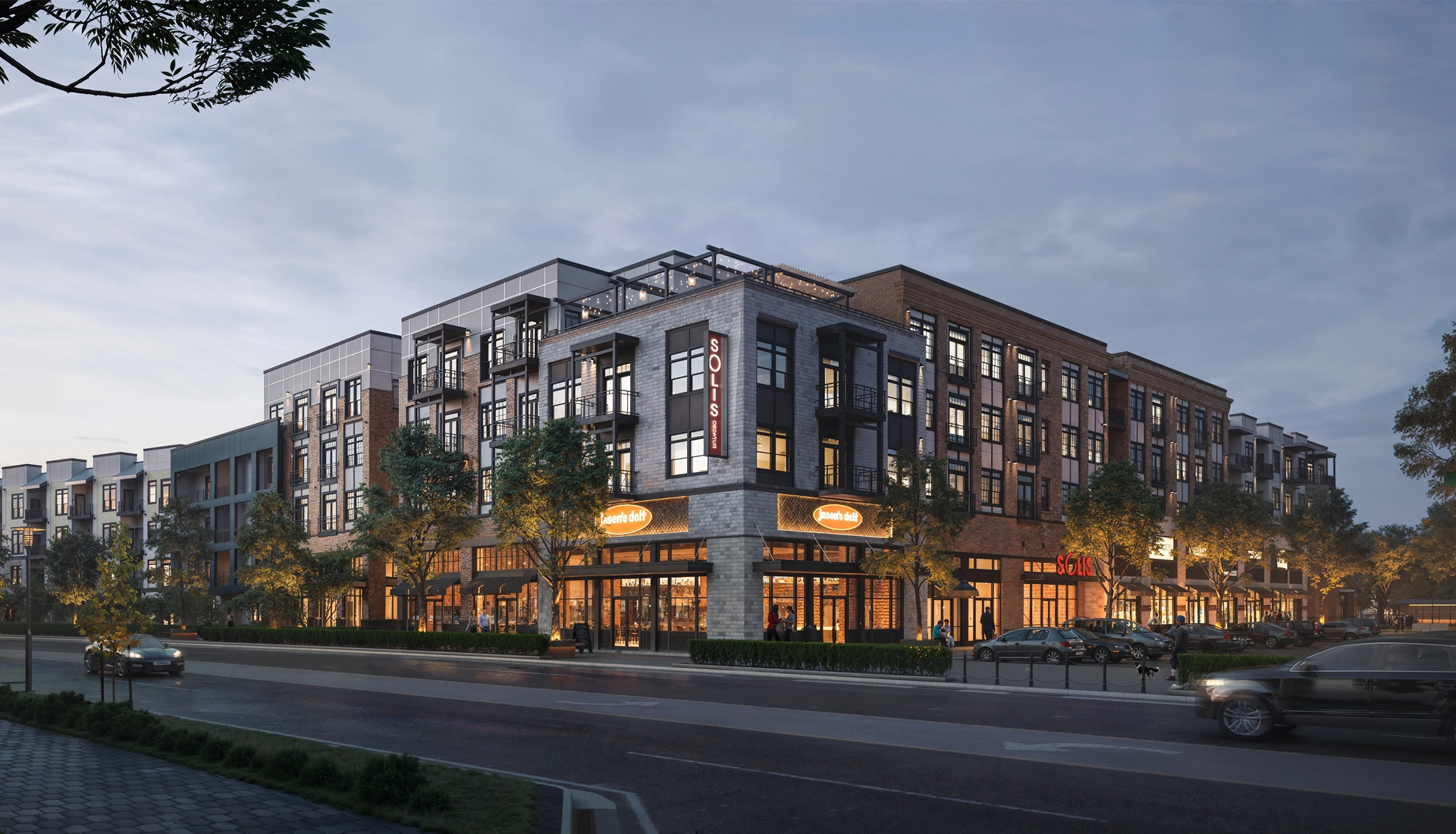





The Shift: From “Show It Later” to “Sell It Now”
Not long ago, leasing required a finished unit, staged interiors, and professional photography.
Today, developers are filling units before the first slab is poured.
Why?
Because modern buyers and renters don’t need a finished building, they need clarity and confidence.
3D renderings provide exactly that:
- - photorealistic interiors and exteriors
- - emotional connection to a future lifestyle
- - a clear understanding of space, light, and finishes
This shift is redefining how projects are marketed from day one.
Why 3D Rendering Drives Faster Lease-Up
1. It Turns Abstract Plans into Tangible Reality
Floor plans don’t sell units. People don’t emotionally connect to measurements; they connect to what it feels like to live there.
Renderings transform:
- - lines → spaces
- - specs → experiences
- - concepts → decisions
2. It Builds Trust Before Construction Exists
One of the biggest barriers in pre-leasing is uncertainty.
High-quality visualization removes that friction by showing:
- - finishes and materials
- - lighting conditions
- - furniture layouts
- - real-world scale
When prospects can clearly see what they’re getting, hesitation drops, and conversion rises.
3. It Elevates Perceived Value
Not all developments are created equal, but more importantly, not all are presented equally.
Developments that invest in premium visuals:
- - feel more established
- - attract higher-quality tenants
- - justify stronger pricing
In competitive markets, perception is leverage.
The Most Effective Visual Assets for Pre-Leasing
Not all rendering is created equal. The highest-performing projects use a combination of:
Exterior Hero Renderings
- - Used for websites, billboards, and investor decks
- - Establish first impression and brand positioning
Interior Lifestyle Renderings
- - Showcase materials, lighting, and livability
- - Drive emotional connection
3D Floor Plans
- - Simplify layouts for faster understanding
- - Improve online engagement
Virtual Tours & Animation
- - Allow prospects to “walk through” the property
- - Increase time on site and lead quality
Together, these assets create a complete digital leasing experience.
Where Developers Get It Wrong
Many developers invest in visualization but still struggle to convert. Why? Because the execution is fragmented.
Common mistakes:
- - using multiple vendors with inconsistent quality
- - creating visuals without a clear marketing strategy
- - focusing on quantity over impact
- - treating rendering as a checkbox, not a sales tool
The result is confusion, not clarity, and slower lease-up.
The Competitive Advantage: Integrated Visualization
The highest-performing developments don’t just create renderings. They build a unified visual strategy.
This means:
- - consistent storytelling across all assets
- - visuals designed specifically for leasing (not just design)
- - alignment between development, marketing, and sales teams
When everything works together, momentum builds, and units move faster.
The Bottom Line
3D rendering is no longer a “nice to have.” It is one of the most powerful tools developers have to:
- - accelerate lease-up
- - attract investors
- - reduce vacancy timelines
- - create demand before delivery
In a market where speed and perception define success,
the ability to show your vision early is no longer optional. It’s the advantage.